Every year, instead of setting a long list of New Year’s resolutions, I choose a Word of the Year.
It’s a practice I’ve returned to for many years now, because it offers me something that resolutions never really have: focus without pressure, intention without rigidity, and a sense of direction that can flex as life inevitably does.
If you’re curious about how I choose my word, I’ve written about that process in more detail in an earlier blog. This piece is less about the mechanics, and more about what comes next – how a single word can act as a golden thread through a year.
For 2026, my word is Nourish.
Why Nourish?
Nourish is a word that immediately slows me down when I say it out loud.
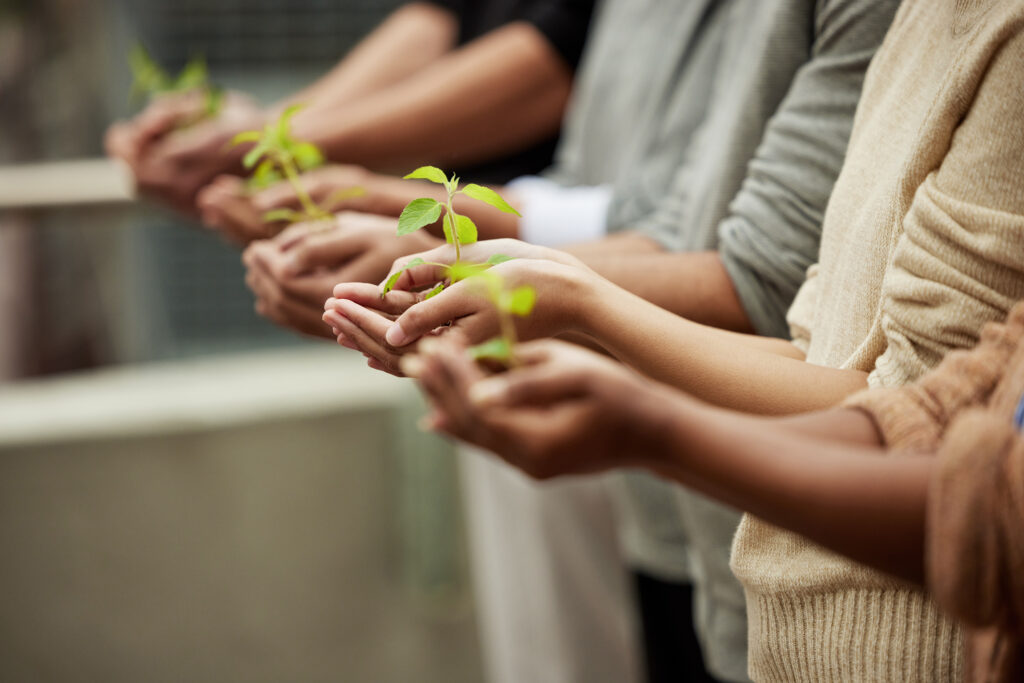
It speaks to feeding what sustains us – not just physically, but emotionally, mentally, creatively and relationally. It’s about tending rather than striving; replenishing rather than extracting; asking what’s needed rather than defaulting to what’s next.
After several years of growth, visibility and momentum in my work, Nourish feels like a quiet recalibration. A reminder that meaningful impact doesn’t have to come from depletion, and that sustainable work – especially work rooted in mental health, neurodivergence and wellbeing – starts with being well-resourced ourselves.
It’s also a word that challenges some very ingrained habits: people-pleasing, over-giving, filling every available space, and equating worth with productivity. Nourish invites something different.
A gentle alternative to New Year’s resolutions
Traditional New Year’s resolutions often focus on fixing what’s ‘wrong’ with us, or pushing ourselves to become a better, more disciplined version of who we are now.
For many people – particularly those of us who are neurodivergent, living with chronic stress, or already holding a lot of responsibility – this can quickly turn into another stick to beat ourselves with. Miss a goal, fall off the plan, and the familiar inner critic gets louder.
A Word of the Year offers a different approach.
Rather than being outcome-driven, it’s value-led. Rather than asking What should I achieve? it asks How do I want to be as I move through this year?
That shift alone can feel surprisingly liberating.
Letting one word guide many areas of life
What I find most helpful about choosing a word is how it becomes a filter for everyday decisions.
Instead of setting goals for every corner of life, I return to one simple question across a few key areas:
What would it look like to nourish this?
Here’s how that’s shaping my thinking for 2026.
Nourish self
This is about energy before effort.
When I think about nourishment, I can’t ignore the most literal meaning of the word. For me, 2026 is also about physical nourishment – paying attention to some of the basics that are easy to overlook when life and work get busy.
That starts with hydration, nutrition and movement. Not in a restrictive, rule-bound or perfectionist way, but with curiosity and care. Asking simple questions like: Am I drinking enough water? Have I eaten in a way that supports my energy? Have I moved my body today in a way that feels kind rather than punishing?
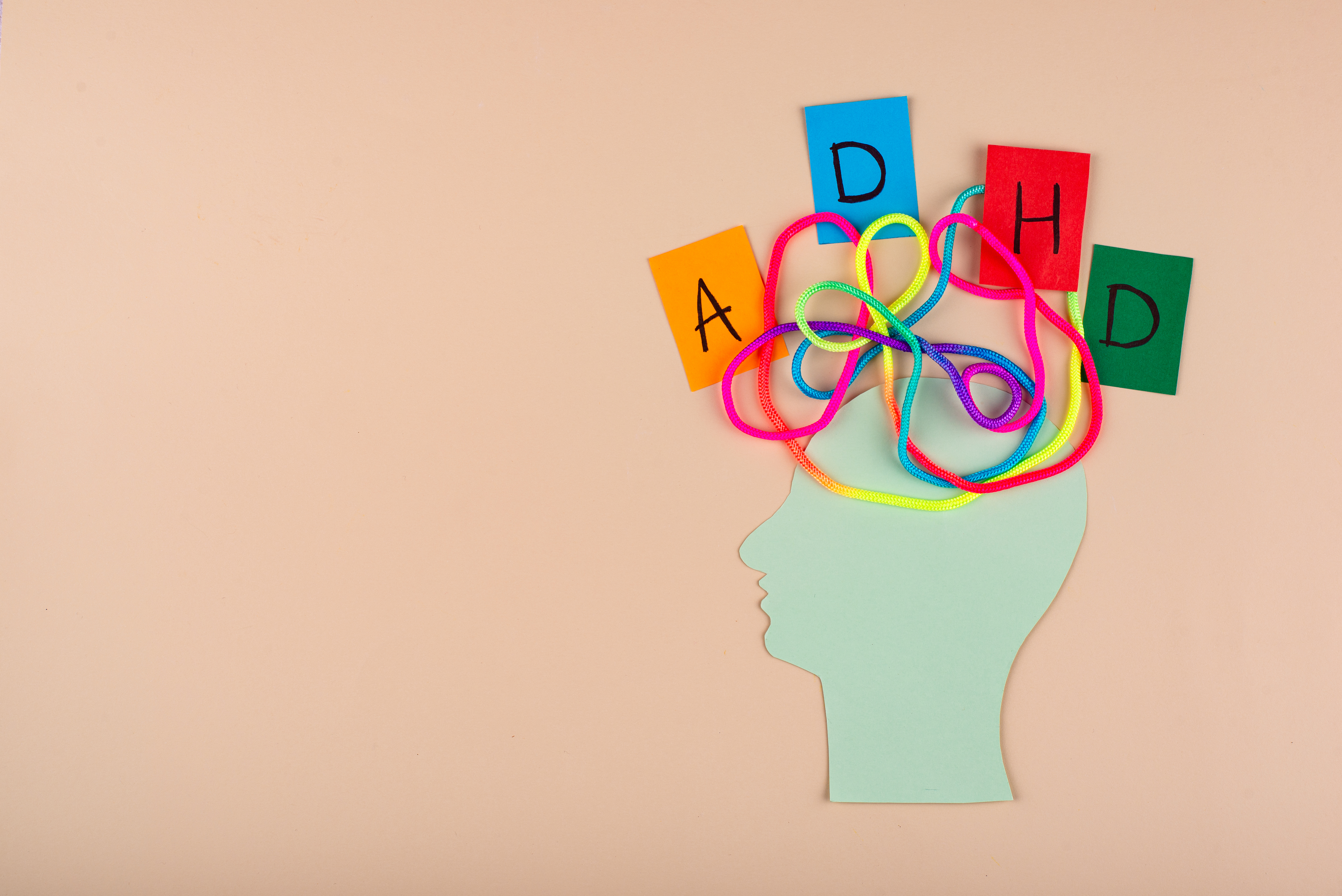
As someone with ADHD, I know how easily these basics can slip – forgetting to eat, realising I’m dehydrated halfway through the afternoon, or sitting still for far longer than my body would like. Nourishing self means building awareness, gentle routines and prompts that support me rather than relying on willpower alone.
Alongside this, nourishment also includes rest, nervous system regulation, creativity, time outdoors, and working with my ADHD rather than constantly trying to override it. It means noticing when I’m running on empty and responding with compassion, not criticism.
It’s also about allowing spaciousness – white space in the diary, slower starts when possible, and recovery time built in rather than treated as an afterthought.
Nourish work
In my work, Nourish is pushing me to be far more honest and concrete about what sustainable work actually looks like for me.
Over the past five years since I started my business and delivered my first training as a freelancer, I’ve said yes to a wide mix of projects: training, facilitation, coaching, speaking, consultancy, collaborations. Much of it has been meaningful and values‑aligned – and I’ve learnt so much about what I genuinely enjoy and want to do more of. Some of it, however, came from saying yes out of a scarcity mindset, rather than trusting that the right work would come along from my efforts.
So in 2026, nourishing my work starts with making clearer choices, even before I know all the answers.
Practically, this looks like:
- Fewer, clearer offers rather than a long menu. Not because variety is bad, but because decision fatigue (for me and for clients) is real.
- Saying yes more slowly – creating space between an enquiry and a commitment so I can sense-check energy, capacity and fit.
- Choosing depth over volume: longer-term organisational relationships over one-off pieces of work that require high emotional output for limited impact.
- Designing recovery in on purpose – blocking space after delivery days, not booking back-to-back programmes, and treating rest as part of the work rather than a reward for finishing it.
I don’t yet know exactly what all of this will look like in practice – and that’s okay. Nourish, here, isn’t about having a perfectly optimised business model. It’s about noticing what supports thoughtful, grounded work, and letting that inform the shape my business takes over time.
Nourish voice
Nourish is also shaping how I use my voice.
In a noisy online world, it can be tempting to post more, say more, and stay constantly visible. This year, I’m experimenting with a different question: Does sharing this feel nourishing – for me and for the people reading it?
For me, nourishing my voice means:
- Writing a chapter for a book on a topic I’m passionate about (more on that another time). This allows me to share thoughtfully, in a format where ideas can land and be absorbed, without getting lost in the noise of the online world.
- Writing reflectively, when something has genuinely landed or shifted.
- Continuing to weave lived experience of ADHD and wellbeing into my professional work, without feeling I need to over-explain or justify it.
- Letting my content be slower, longer, and a little less polished if that’s what honesty requires.
Consistency doesn’t have to mean relentless output. It can mean returning, again and again, to what feels true – and trusting that resonance matters more than reach.
Nourish connection
Finally, Nourish is asking me to look at connection through a more reciprocal lens.
Much of my work – and my volunteering – involves holding space for others. I care deeply about this, but I’m also noticing the importance of being held with rather than always being the one who holds.
Nourishing connection means: – Investing time and energy in relationships that feel mutual and spacious. – Allowing myself to receive support, encouragement and challenge, not just offer it. – Being more intentional about where I give my energy, particularly when my capacity is limited.
It’s about choosing connection that leaves me feeling replenished rather than responsible – and recognising that this, too, is a form of wellbeing practice. Recently, I’ve experienced this first-hand: a few close friends really held me at a time when I needed support, and the difference it made was profound. It reminded me how powerful mutual, attentive connection can be, and how important it is to make space for it in everyday life.
Using a word as a compass, not a rulebook
One of the reasons I love this practice is that a word doesn’t demand perfection.
There will be weeks (or months) where I forget it completely. Times when I override it, rush, or fall back into old patterns. Nourish isn’t there to judge those moments – it’s there to help me gently reorient.
A word becomes a compass, not a rulebook. Something you can return to, again and again.
An invitation for you
If New Year’s resolutions have never quite worked for you, you might like to try this instead:
- Choose one word that feels supportive rather than demanding.
- Let it guide intentions, not outcomes.
- Revisit it regularly and notice what it invites you towards.
You don’t need to overhaul your life to make this meaningful. Often, it’s about nourishing what’s already there.
If you’d like to explore this further, you can read my earlier blog on how I choose my Word of the Year , and you’re very welcome to get in touch if you’d like support turning intentions into sustainable change – personally or within your organisation.
Here’s to a year of nourishment, in whatever way you need it most.